Table Of Content
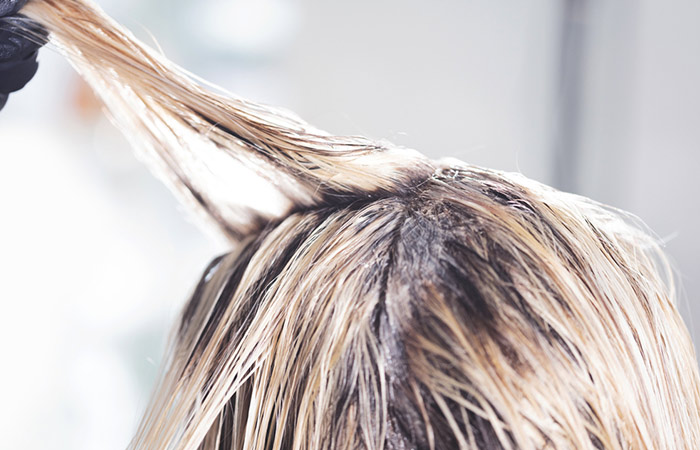
Take one section of your hair and start applying the dye from the roots to the ends using a brush or your fingers. Make sure to saturate each section thoroughly for even coverage. Divide your hair into sections using clips or hair ties.
Final Thoughts: Coloring Your Locks Before or After Washing
An Open Letter to Salon Owners: Please Stop Letting Me Leave With Wet Hair - Philadelphia magazine
An Open Letter to Salon Owners: Please Stop Letting Me Leave With Wet Hair.
Posted: Thu, 06 Aug 2015 07:00:00 GMT [source]
On the other hand, semi-permanent hair dyes are less harsh and don’t contain ammonia or hydrogen peroxide. These dyes only coat the hair shaft, allowing for a more temporary colour change that fades over time. Semi-permanent dyes can be applied to wet hair, and in fact, this method can sometimes provide even colour distribution and less mess. If you wash your hair right before color application, you are stripping the natural oils, making it further susceptible to damage.
Can I dye my hair right after washing it?
Their procedures are not affected by water and can be used on wet hair. Semi-permanent hair color is another alternative to dyeing wet hair. Unlike permanent hair dye, semi-permanent hair color does not contain harsh chemicals that can damage your hair. You can dye wet hair, and it’s preferred in many cases due to better color absorption, a more even color result, and less clean-up after the hair dyeing process. Regardless of your hair’s texture, wet hair is more absorbent, and it’s often easier to change your natural color hair while it’s wet.
Semi-permanent Hair Dye

In conclusion, dyeing wet hair can be a bit messy, but it is a great way to achieve a vibrant and long-lasting color. By following these steps and tips, you can successfully dye your hair while minimizing damage and achieving the desired results. Remember to take proper care of your newly dyed hair to maintain the color and keep it looking healthy and shiny. Coarse or thick hair textures benefit from the subtle dimension of dyeing while wet. Permanent and hi-lift tint colors should be avoided as they are too harsh for vulnerable, dampened hair. One issue that many people have a problem figuring out is whether you can dye wet or damp hair.
How Long Should I Leave the Dye on Wet Hair?
Use a towel to squeeze a bit of the water from your hair. It should still feel wet, but no water dripping out of it. Here are a few risks that you have to watch out for and pay attention to when planning to color your hair while wet. Note, though, that there are also a few risks and downsides when coloring wet hair. Because water adds more moisture to your hair, it will help in the more even distribution of the dye.
Short-lived hair color
And when we speak of wet hair, we do not mean fresh out-of-the-shower hair that is dripping. Experts at byrdie, a consumer education site on everything beauty, indicate that it all depends on the type of color formula used. Research indicates that freshly washed hair takes in dye better than dry, dirty hair. Nowadays, it is widely acceptable to wear brightly colored tones, unlike back when they were reserved for pop stars and celebrities. Who knows, pink hair will probably bring out the beauty in you, boosting your self-confidence. There are good things about choosing to color your hair while it is wet.
Though you shouldn’t apply hair dye to dirty hair, you also shouldn’t wash your hair right before you color it. This is because your hair is coated with natural oils, called sebum. These oils protect the hair and scalp from debris, chemicals, and anything else that could be harmful.
Before applying any hair dye, it's crucial to do a patch test to check for any allergic reactions. This involves applying a small amount of dye behind your ear and waiting 24 hours to see if there's any irritation or inflammation. If you experience any adverse reactions, do not proceed with dyeing your hair. – Then, you put the color directly to your hair strands.
Sun-Bleached Hair: How to Get It, Steps, Precautions and More - Healthline
Sun-Bleached Hair: How to Get It, Steps, Precautions and More.
Posted: Thu, 20 May 2021 07:00:00 GMT [source]
Keep Color Close to Original Color
When applied on wet strands, the cuticle layers open up, allowing dyes to penetrate deeper into the hair structure for better coverage or vibrancy of semi-permanent colors. When you apply it to your hair, your natural hair color is replaced by the hue of the dye. Instead of being absorbed by your hair, semi-permanent dyes coat the hair cuticle. This is also why these dyes don’t last as long as permanent coloring. Hair color is made to absorb into the hair strands instead of just being placed on top of the hair.
Typically this is how long it takes for your hair to display significant growth, indicated by exposed roots. When you’re in the shower trying to change your hair color, all it takes is a few squirts from a bottle. You then gently use your fingers to massage your hair until it lathers and rinse it off. But if you are applying a chemically harsh dye, such as peroxide, experts recommend starting with unwashed hair.
And, remember this is for dyeing your hair, not for bleaching hair. This is going to ruin your hair, and damage it beyond repair. Dye your hair wet only if you are planning on retouching your previous hair color and not when you want to change the color of your hair entirely.
This risks removing some color pigments before they fully bond with your hair. Instead, rinse your hair with warm water after dyeing and let it air dry. The instructions, however, may differ from one dye manufacturer to the next. Permanent dyes color hair with both direct and indirect colorant molecules. Most permanent dyes can only be combined with a developer instead of water. The risks and advantages of dying wet or dry hair are discussed in the following sections, along with safe dyeing techniques.


No comments:
Post a Comment